JuraTidal
Geographic Study

Exploring Coastal Phenomena

JuraTidal is the platform dedicated to the scientific documentation of tidal variations and coastal zone dynamics. Educational content for understanding marine ecosystems.
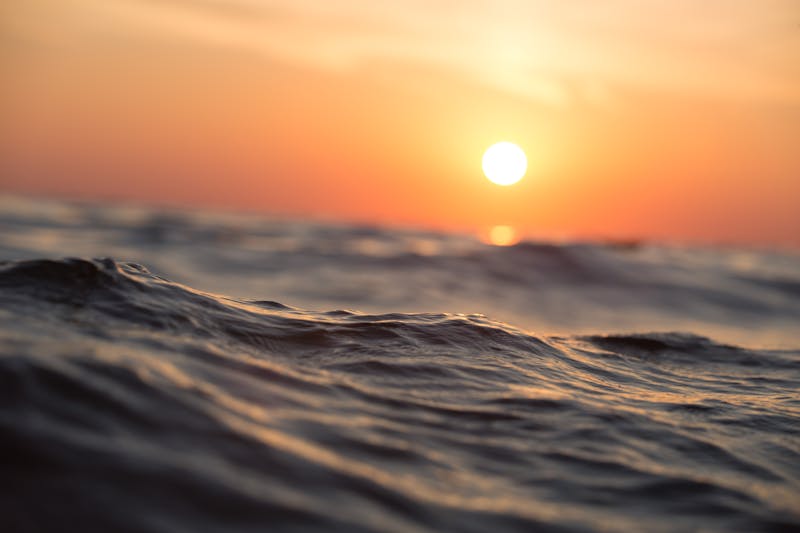
Panoramic view of a coastal area with cliffs and tides

"The meticulous observation of natural rhythms is the essence of understanding coastal geography."
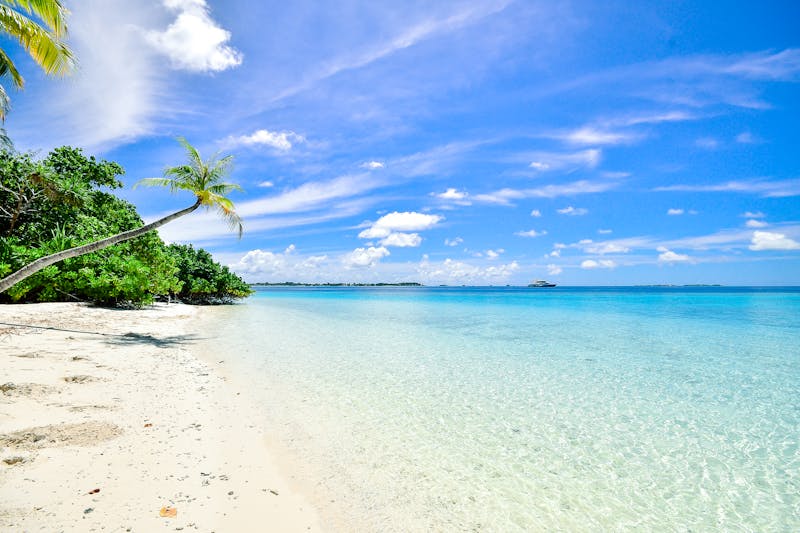
Explore the Interactive Tide Map

Access our primary tool to visualize and understand tide cycles in real time. The map provides a detailed geographical perspective on coastal areas, highlighting variations and their impact on marine ecosystems.

An essential educational resource for students, researchers, and marine geography enthusiasts.

Frequently Asked Questions

Answers to the most common questions about coastal phenomena, tides, and natural observation.

What is a tide and how is it formed?

A tide is the periodic variation in sea level, caused primarily by the gravitational forces exerted by the Moon and the Sun on the Earth. This geographical phenomenon is essential for understanding the dynamics of coastal areas.

What types of marine ecosystems can be observed in intertidal zones?

Intertidal zones, alternately exposed to air and water, host unique and resilient ecosystems: shellfish beds, seagrass meadows, tide pools teeming with life, and marsh areas. Each has major ecological importance.

How does climate change affect coastal areas and tide cycles?

Rising sea levels, ocean warming, and extreme weather events alter coastlines and can amplify or disrupt local tidal patterns, with a direct impact on communities and ecosystems.

Where can I find data and educational resources about tidal variations?

Our platform, JuraTidal, provides documentation and geographical analyses. For real-time data and maps, national hydrographic institutions and environmental agencies are reliable sources. We invite you to explore our educational content.

What are the best practices for responsible natural observation of coasts?

Respect wildlife, leave no trace, avoid sensitive nesting areas, and research tide periods in advance. Passive and non-disruptive observation is key to preserving these fragile ecosystems.

Can't find the answer? Contact us for more expert information.

Email: info@juratidal.com

Visual Gallery

Explore the phenomenon of tides and the dynamic beauty of coastal areas through these captivating panoramic images.

Panoramic view of a cliff and the sea

Cliffs and Erosion

Visual study of coastal erosion processes and cliff formation.

Low tide exposing the seabed

Tidal Cycle

Documenting the dramatic differences between high and low tide.

Coastal marine ecosystem with rocks

Intertidal Ecosystems

Observations of biodiversity in areas periodically affected by tides.

Geometric pattern of sand left by water

Sedimentary Patterns

Shapes and structures created by water action on sand and sediments.

Satellite observing the coast

Satellite Observation

Analysis of coastal changes through satellite data and imagery.

Maps and geographical diagrams about tides

Data and Maps

Graphical and cartographic representations of coastal geographical phenomena.

For more case studies and complete visual documentation, visit the dedicated section.

Explore All Cases
🌐 Language
RO EN